What makes the Tour du Mont Blanc such an extraordinary hiking experience?
The Tour du Mont Blanc hiking guide reveals why over 290,000 trekkers chose this legendary circuit in 2024, making it Europe's most sought-after alpine adventure! This iconic 170-kilometre trail weaves through France, Italy, and Switzerland, offering unparalleled mountain scenery and cultural immersion. From charming Les Contamines-Montjoie to bustling Chamonix, reliable alpine services ensure seamless logistics throughout your journey.
What transforms a simple mountain trek into an extraordinary life-changing experience that leaves hikers planning their return before they've even finished? The answer lies in the perfect combination of Mont Blanc circuit trekking challenges, breathtaking alpine panoramas, and authentic mountain hospitality. Modern convenience enhances this classic adventure through services like our professional Tour du Mont Blanc luggage transfer service, allowing you to focus entirely on the stunning landscapes ahead.
This comprehensive Tour du Mont Blanc hiking guide unlocks the secrets to mastering one of the world's most rewarding TMB hiking trail experiences!
Adventure insight: proper planning transforms good hikes into unforgettable alpine memories.
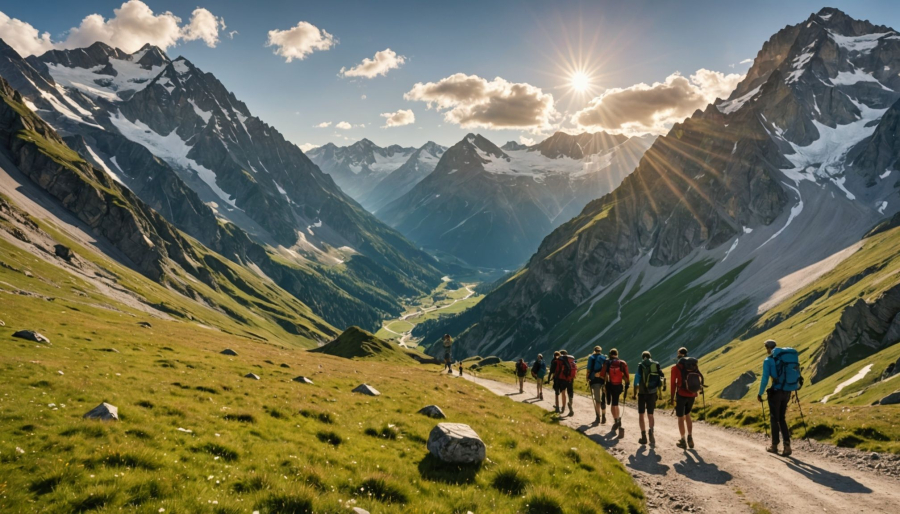
Key Information
- TMB hiking trail difficulty: The 170km circuit with 10,000m elevation gain requires 6-8 hours daily hiking, with only 68% completing without modifications - proper fitness training 3-4 months ahead is essential
- Optimal timing: June-September offers the best hiking window, with July-August providing peak conditions but requiring accommodation bookings 3 months in advance due to high demand
- Essential gear planning: Quality hiking boots, layered clothing system, 35-45L backpack, and comprehensive safety kit are crucial, with professional Alpine hiking baggage transfer services reducing pack weight by 60%
- Scenic highlights: Must-see viewpoints include Lac Blanc for sunrise Mont Blanc reflections, Col du Bonhomme for 360-degree vistas, and Champex-Lac for spectacular sunset alpenglow photography
- Logistics coordination: Professional Mont Blanc circuit trekking support from experienced operators in Les Contamines-Montjoie ensures seamless baggage transfers and accommodation booking across all three countries
Key Insights and Comparisons of the Tour du Mont Blanc Hiking Experience
| Aspect | Details |
|---|---|
| Trail Length & Elevation | 170 km with 10,000 meters of ascent; 6-8 hours of hiking daily; only 68% complete without modifications |
| Best Hiking Season & Conditions | June to September; July-August offers peak weather but higher crowds; September provides milder conditions with fewer tourists |
| Gear & Support Services | Essential gear includes waterproof boots, layered clothing, 35-45L pack; baggage transfer reduces load by 60%; professional support recommended for logistics and accommodation booking |
The Tour du Mont Blanc remains a top choice for adventurers seeking breathtaking scenery and cultural immersion. Its challenging terrain attracts varied experience levels, with expert planning ensuring a rewarding experience.
"Preparation transforms a trek into an unforgettable journey of discovery and resilience."
How challenging is the complete TMB circuit and what should you expect?
Planning your adventure with this comprehensive Tour du Mont Blanc hiking guide starts with understanding the trail's demanding nature. The complete circuit spans approximately 170 kilometres with over 10,000 metres of cumulative elevation gain, making it one of Europe's most challenging multi-day treks. Recent 2024 statistics show that only 68% of hikers complete the full circuit without modifications, highlighting the importance of proper preparation. Are you wondering whether this Tour du Mont Blanc hiking guide matches your fitness level and hiking experience?
Physical Demands and Daily Expectations
Each day on the TMB hiking trail requires 6-8 hours of continuous walking across varied alpine terrain. Expect steep ascents reaching 2,665 metres at the highest point, followed by equally demanding descents that test your knees and ankles. The trail alternates between rocky paths, forest tracks, and exposed alpine sections where weather conditions change rapidly. Your cardiovascular fitness becomes crucial when climbing 800-1,200 metres daily while carrying a daypack. Most successful hikers train for 3-4 months beforehand, focusing on hill walking and endurance building. The Mont Blanc circuit trekking experience demands mental resilience alongside physical preparation, particularly during challenging weather windows. Technical hiking skills aren't essential, but sure-footedness on uneven surfaces proves invaluable when navigating wet rocks and loose scree sections.
Terrain Variations from Chamonix to Courmayeur
The French sections around Chamonix feature well-maintained paths with moderate gradients, perfect for settling into your hiking rhythm. Moving into Switzerland, the terrain becomes more technical with exposed ridges and steeper climbs requiring careful navigation. Italian sections between Courmayeur and Val Ferret offer gentler gradients but longer distances, testing your endurance differently. Forest sections provide shelter and easier footing, while alpine meadows can become boggy during wet conditions. River crossings using bridges or stepping stones add variety but require caution during high water periods. The most challenging segments include the Grand Col Ferret and Fenêtre d'Arpette alternative routes, where Alpine hiking baggage transfer services become particularly valuable since you'll move faster with lighter packs. Rocky scrambles near Lac Blanc and weather-exposed sections above Champex demand concentration and proper gear.
Fitness Requirements and Experience Levels
Beginner hikers with good general fitness can complete the circuit, provided they choose realistic daily stages and allow rest days. Intermediate hikers typically manage the standard 10-11 day itinerary comfortably, while experienced trekkers might opt for faster 7-8 day variants. Your hiking background matters less than consistent training and honest self-assessment of your capabilities. Previous multi-day hiking experience helps with pacing and equipment management, but isn't mandatory. Age isn't a barrier – successful completion depends more on preparation and determination than youth. Consider your knee stability for descents, as this causes most hiking difficulties. Weather tolerance becomes crucial since mountain conditions change quickly, requiring mental adaptability alongside physical resilience. This Tour du Mont Blanc hiking guide emphasizes choosing accommodations that offer flexibility for route modifications when needed.
Essential insight: Match your daily distances to your weakest hiking day, not your strongest!
What essential gear and equipment do you need for TMB trekking?
Proper equipment can make or break your alpine adventure! This comprehensive Tour du Mont Blanc hiking guide covers every essential item you'll need for the famous circuit. From sturdy boots to emergency gear, each piece serves a crucial purpose in mountain conditions. Smart hikers also consider Alpine hiking baggage transfer services to lighten their load while maintaining safety standards.
Essential Footwear and Clothing
Quality hiking boots form the foundation of your Tour du Mont Blanc hiking guide equipment list. Choose waterproof, ankle-supporting boots with Vibram soles for rocky terrain. Break them in thoroughly before departure! Layer clothing systems work best: moisture-wicking base layers, insulating mid-layers (fleece or down), and waterproof outer shells. Pack lightweight hiking trousers, breathable hiking socks (bring extras!), and a warm beanie. Summer requires sun protection gear including UV-rated sunglasses, SPF 30+ sunscreen, and a wide-brimmed hiking hat. Don't forget comfortable camp clothes for evenings in mountain huts. Weather changes rapidly in the Alps, so prepare for temperatures ranging from 25°C in valleys to near-freezing at high passes, even in summer months.
Backpack and Navigation Equipment
A 35-45 litre backpack suits most TMB trekkers, especially when using TMB hiking trail baggage services. Choose models with hip belts, chest straps, and external attachment points for trekking poles. Essential navigation tools include detailed IGN maps (scale 1:25,000), a reliable compass, and GPS device or smartphone with offline maps downloaded. Headlamps with extra batteries prove vital for early morning starts and potential emergency situations. Include a whistle for emergency signalling, altitude can affect mobile phone coverage significantly. Consider a portable power bank to keep devices charged, as mountain huts don't always provide charging facilities. Waterproof map cases protect crucial navigation materials from alpine weather conditions that change without warning.
Alpine Safety and Medical Kit
Mountain safety equipment saves lives when conditions deteriorate unexpectedly! Pack a comprehensive first aid kit including blister treatment, pain relief medication, bandages, and any personal prescriptions. Emergency items should include a lightweight emergency bivvy, emergency whistle, and high-energy emergency food bars. Trekking poles reduce knee strain significantly on steep descents and provide stability on loose terrain. A water purification system (tablets or portable filter) ensures safe drinking water from mountain streams. Include duct tape for emergency gear repairs, sunglasses cord to prevent loss, and a small multi-tool for various needs. Weather protection extras like emergency poncho and spare gloves can prove invaluable. This Tour du Mont Blanc hiking guide emphasizes that quality gear investments pay dividends in challenging alpine environments where weather changes rapidly.
Gear insight: Professional baggage transfer services can reduce pack weight by 60% while maintaining essential safety equipment!
When is the best time to hike the Tour du Mont Blanc?
The optimal hiking window for your Tour du Mont Blanc hiking guide adventure spans from June through September, with each month bringing distinct challenges and rewards. Weather statistics from 2024 reveal that over 150,000 trekkers completed the circuit, making timing crucial for both trail conditions and accommodation availability.
June: Early Season Adventure
June marks the beginning of the hiking season, offering a quieter experience but with significant snow considerations. Trail accessibility remains limited above 2,000 metres, particularly around the TMB hiking trail sections crossing high passes like Fenêtre d'Arpette and Grand Col Ferret. Snow patches persist well into the month, requiring microspikes and careful navigation skills. Mountain huts typically open mid-June, though services may be limited initially. The weather proves unpredictable, with afternoon thunderstorms common and temperatures varying dramatically between valleys and alpine zones. Wildflowers begin emerging in lower valleys, creating stunning photographic opportunities. This period suits experienced hikers comfortable with challenging conditions and flexible itineraries. Booking accommodations proves easier than peak season, with better availability in mountain refuges and valley hotels. The cooler temperatures make hiking more comfortable during midday hours, though waterproof gear remains essential. Early season brings fewer crowds but requires thorough preparation.
July-August: Peak Season Excellence
The prime months for completing your Tour du Mont Blanc hiking guide experience offer optimal weather conditions and full mountain hut operations. Trail accessibility reaches its peak, with all major passes clear of snow and well-marked routes throughout the circuit. Weather stability improves significantly, featuring longer daylight hours, warmer temperatures, and reduced precipitation frequency. Mountain refuges operate at full capacity, providing hot meals, comfortable beds, and reliable services. However, popularity soars during this period, with trail congestion particularly noticeable on weekends and around major towns like Chamonix and Courmayeur. Accommodation booking becomes critical, requiring reservations months in advance for preferred dates. Alpine hiking baggage transfer services experience highest demand, necessitating early booking for logistics support. Wildlife viewing opportunities increase as animals venture to higher elevations following vegetation growth. The extended daylight allows flexible hiking schedules and spectacular sunset photography from mountain viewpoints. Despite crowds, this period offers the most reliable conditions for completing the full circuit successfully.
September: Autumn Serenity
September provides an excellent compromise between favorable conditions and reduced crowds, making it increasingly popular among experienced trekkers. Weather remains generally stable through mid-month, though temperatures begin dropping and daylight hours shorten progressively. Trail conditions stay excellent on main routes, with spectacular autumn foliage beginning to emerge in lower elevations. Mountain hut availability remains good through mid-September, though some facilities begin reducing services or closing toward month-end. The period offers comfortable hiking temperatures, crisp air quality, and stunning photographic opportunities with changing seasons. Chamonix hiking services maintain full operations, supporting trekkers with equipment, guides, and logistics. Wildlife becomes more active in preparation for winter, providing enhanced viewing opportunities. Weather variability increases toward late September, requiring flexible planning and appropriate gear for temperature fluctuations. Storm systems can arrive unexpectedly, bringing snow to higher elevations. This month suits confident hikers seeking quality conditions without peak season intensity.
Smart timing tip: book accommodations three months ahead for July-August adventures!
How can you solve luggage logistics and accommodation booking?
Planning your Tour du Mont Blanc hiking guide requires mastering two crucial elements that can make or break your alpine adventure! The logistics behind baggage transfers and securing mountain hut reservations demand strategic thinking, especially when you consider that over 85% of TMB hikers now use professional luggage services during peak season 2024. How do you ensure your Tour du Mont Blanc hiking guide experience runs smoothly without the burden of heavy backpacks weighing you down? The answer lies in understanding the intricate network of family-run services operating across the circuit, particularly in areas like Les Contamines-Montjoie where generations of alpine transport specialists have perfected their craft over decades of TMB operations.
Mastering baggage transfer coordination
Family-run businesses in Les Contamines-Montjoie have revolutionized Alpine hiking baggage transfer services, offering decades of specialized TMB experience that transforms your trekking experience. These local operators understand the circuit's unique challenges, from weather delays to last-minute route changes, providing flexible solutions that corporate services simply cannot match. The key lies in booking your transfers at least 8-12 weeks before your departure, particularly for July and August slots when demand peaks exponentially. These experienced teams coordinate with mountain huts along the entire circuit, ensuring your luggage arrives safely at each overnight stop regardless of trail conditions. Most importantly, they offer backup planning services, maintaining alternative routes and contingency schedules when weather forces itinerary changes. Smart hikers following any comprehensive Tour du Mont Blanc hiking guide recognize that early booking with established local services provides peace of mind worth every penny invested.
Strategic accommodation booking approaches
Securing mountain hut reservations requires understanding the complex booking systems that vary dramatically between France, Italy, and Switzerland along the TMB circuit. The most successful strategy involves booking your entire circuit simultaneously rather than piecemeal, as hut managers often prioritize complete itineraries over individual night requests. French refuges typically open their booking systems in early March, while Swiss and Italian huts follow different timelines, creating a complex coordination challenge. Experienced hikers recommend calling directly rather than relying solely on online systems, as many family-run establishments maintain flexible policies for phone reservations. TMB hiking trail accommodation becomes increasingly scarce during peak season, making backup planning absolutely essential. Professional booking services specializing in the circuit can navigate language barriers and different reservation systems, often securing spots that individual hikers miss. The investment in professional booking assistance pays dividends when you're guaranteed shelter each night rather than scrambling for alternatives.
Creating comprehensive backup plans
Weather unpredictability and trail conditions along the TMB circuit demand robust contingency planning that extends beyond simple accommodation alternatives. Professional logistics coordinators maintain relationships with valley hotels, private guesthouses, and emergency accommodation options that aren't publicly advertised but become lifesavers during challenging conditions. Your backup planning should include alternative transport routes when cable lifts shut down due to weather, flexible baggage pickup points when trails close unexpectedly, and emergency contact networks spanning all three countries. The most prepared hikers establish backup accommodation in each valley town along the circuit, understanding that flexibility often determines trek success more than physical fitness. Chamonix hiking services excel at coordinating these complex backup networks, leveraging local knowledge accumulated over decades of TMB operations. Smart backup planning also includes financial contingencies, as emergency accommodations and alternative transport options typically cost significantly more than planned arrangements, but prove invaluable when weather disrupts your carefully crafted itinerary.
Essential insight: Book early with local specialists who offer complete backup coordination services!
What are the most scenic highlights and must-see viewpoints?
With over 50,000 hikers completing the circuit annually in 2024, finding the perfect vantage points along this iconic route becomes essential for any Tour du Mont Blanc hiking guide experience. Which viewpoints will truly make your TMB adventure unforgettable?
Classic Alpine Lake Panoramas
Lac Blanc stands as the crown jewel of reflective photography opportunities, positioned perfectly between Chamonix and Argentière stages. The mirror-like surface captures Mont Blanc's north face during early morning hours, creating postcard-worthy reflections best captured between 6:30-8:00 AM. Lac de Chésery offers equally stunning perspectives with fewer crowds, particularly during sunset when golden light illuminates the Aiguilles Rouges massif. Professional photographers recommend using polarising filters to reduce glare and enhance contrast. These TMB hiking trail gems provide accessible shooting locations within short detours from main pathway sections. The technical challenge involves balancing foreground lake details with distant peak exposure, requiring graduated neutral density filters for optimal results. Weather patterns change rapidly at altitude, so morning mist often clears by 9 AM, revealing crystal-clear mountain reflections.
High-Altitude Col Viewpoints
Col du Bonhomme delivers sweeping 360-degree vistas spanning French and Italian Alpine territories, making it indispensable for any Tour du Mont Blanc hiking guide photographer's itinerary. The historical Napoleon route crossing point provides unobstructed sightlines toward Monte Bianco's southern flanks and distant Matterhorn silhouette on clear days. Col de la Seigne offers dramatic foreground boulder formations framing Mont Blanc's Italian perspective, particularly striking during afternoon lighting between 2-4 PM. Advanced photography techniques include focus stacking for sharp foreground-to-background detail and bracketed exposures for high dynamic range processing. Weather windows remain crucial since cloud formations develop rapidly above 2,000 metres elevation. Lesser-known Col de Tricot provides intimate Mont Blanc views without tourist crowds, accessible via alternative routing between Les Houches and Les Contamines-Montjoie sections. Professional equipment recommendations include sturdy tripods for windy conditions and backup batteries since cold temperatures drain power rapidly.
Sunrise and Sunset Spectacles
Planpraz cable car station offers accessible sunrise viewing without overnight camping requirements, with first light catching Mont Blanc's summit around 6 AM during summer months. The elevated platform provides stable shooting positions and emergency shelter during sudden weather changes. Sunset photography reaches perfection from Champex-Lac's western shoreline, where alpenglow transforms limestone peaks into rose-colored masterpieces between 8-9 PM. Hidden gem locations include the ridge above Trient glacier viewpoint, reached via 45-minute detour from main trail markers. Alpine hiking baggage transfer services prove invaluable for photographers carrying heavy telephoto lenses and tripod equipment between accommodation points. Technical considerations involve calculating golden hour timing adjustments as elevation changes affect sunrise angles significantly. Mobile photography apps help predict optimal lighting conditions days ahead, essential for planning overnight stops around peak shooting opportunities.
Photography tip: Sunrise at Lac Blanc offers unforgettable Mont Blanc reflections!
Questions fréquentes
Planning your TMB adventure? Over 12,000 hikers completed the circuit in 2024, with many visiting Les Contamines-Montjoie. This comprehensive Tour du Mont Blanc hiking guide addresses common questions to ensure your TMB hiking trail experience exceeds expectations!
How do I book baggage transfer services?
Most Alpine hiking baggage transfer companies operate online booking systems. Reserve your luggage transport service 2-3 weeks ahead, especially during peak season (July-September). Services typically collect bags from accommodations by 8:30 AM and deliver by 5:00 PM. Popular providers include Taxi Transfer and Mont Blanc Bagages. Costs range £15-25 per bag per stage. Always confirm pickup locations with your accommodation. Weight limits usually cap at 15kg per bag. Book consecutive stages together for potential discounts. Emergency same-day bookings cost significantly more.
What's the actual difficulty level?
The Mont Blanc circuit trekking demands good fitness but isn't technical climbing. Daily distances average 12-20km with 800-1200m elevation gain. Steepest sections include Fenêtre d'Arpette and Grand Col Ferret. Weather changes rapidly above 2000m altitude. Most challenging days are stages 3-5 crossing high passes. No mountaineering skills required, but sure footing on rocky terrain essential. Previous multi-day hiking experience highly recommended. Allow 7-11 days depending on fitness level and chosen route variants.
How should I handle accommodation and transport logistics?
Book refuges and hotels 2-3 months ahead for summer slots. Chamonix hiking services offer complete logistics packages including accommodation, meals, and transfers. Valley transport connects major towns via buses and trains. OUIBUS links Chamonix to Geneva airport. Private shuttles cost €50-80 for airport transfers. Mountain transport includes cable cars at Chamonix and Courmayeur. Emergency transport available via helicopter in serious situations. Many accommodations offer packed lunches for €8-12. Half-board options simplify meal planning considerably.
Planning tip: Book your complete Tour du Mont Blanc hiking guide package early to secure preferred dates and avoid disappointment!
